Why Electronics Recycling Helps Reduce Environmental Impact
The Definitive Guide to E-Waste Recycling: Why It Counts and How to Take Action
E-waste recycling is an essential yet often overlooked aspect of modern sustainability. With technology evolving rapidly, millions of tons of electronic waste accumulate each year, posing significant environmental risks. Comprehending the intricacies of electronic waste disposal can equip individuals with the knowledge to make responsible choices. This resource not only details efficient recycling methods but also examines the wider consequences for both the environment and economy. The journey toward responsible e-waste management begins with a few critical steps.
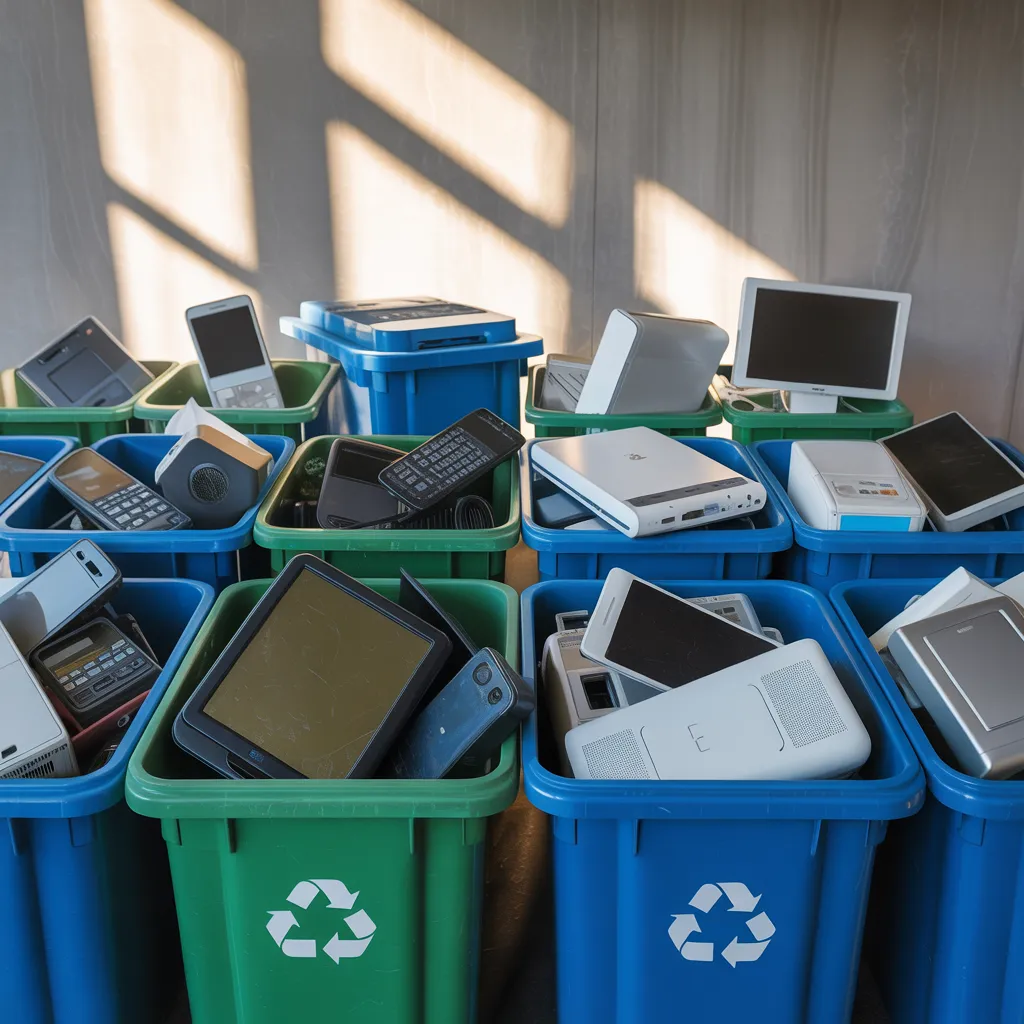
Key Things to Know About E-Waste
Electronic waste, commonly known as e-waste, encompasses discarded electrical and electronic equipment, and recognizing its significance is crucial in today's technology-driven world. The rapid advancement of technology has resulted in a significant increase in e-waste generation, with millions of tons produced annually. This discarded material commonly includes toxic components like lead, mercury, and cadmium, posing serious environmental and health risks if not managed properly.
Furthermore, precious elements like gold, copper, and rare earth metals are contained in these electronic devices, which can be extracted through recycling methods. Yet, a substantial portion of e-waste is discarded in landfills, exacerbating pollution and resource depletion. Awareness of correct disposal practices and the value of recycling can help resolve these challenges, fostering a more eco-friendly perspective on technology utilization. Recognizing e-waste is necessary for promoting responsible practices and encouraging impactful recycling efforts within communities.
Your Beginning Steps to E-Waste Recycling
Making the effort to recycle e-waste has a profound effect on environmental health and individual responsibility. To begin, one should take stock of their unused or damaged electronic devices, categorizing items such as smartphones, laptops, and printers. This approach assists in determining the quantity of electronic waste that must be managed. Next, researching local recycling programs is crucial. Numerous neighborhoods provide dedicated drop-off points or scheduled collection drives for electronic waste.
People ought to become aware of what can and cannot be recycled, as guidelines vary by location. Once they have identified suitable programs, packing the items securely for transport protects the items and limits potential harm. Lastly, it is essential to follow up on the disposal procedure, ensuring that qualified recyclers are responsible for handling the e-waste. By implementing these foundational actions, individuals contribute to a more sustainable future as they dispose of their electronic devices in a responsible manner.
The Environmental Consequences of Electronic Waste Recycling
Despite being frequently ignored, the environmental significance of e-waste recycling is profound and far-reaching. Responsible electronic waste recycling works to prevent hazardous materials, such as cadmium, lead, and mercury, from tainting soil and water resources. These toxic substances can lead to critical health threats for both people and the natural world. By recycling, precious materials like silver, gold, and copper are reclaimed, reducing the need for mining and diminishing the overall carbon impact associated with resource extraction.
Additionally, efficient e-waste recycling limits landfill dependency, where deteriorating electronic devices emit toxic substances. It supports a circular economy through the advancement of sustainable methods, motivating manufacturers to create products that prioritize recyclability. Beyond that, recycling supports the reduction of greenhouse gas emissions by limiting energy consumption versus creating new materials. Taken together, the environmental gains of e-waste recycling reinforce its indispensable role in sustaining a healthier planet and ensuring accountable management of electronic resources.
Financial Advantages of E-Waste Recycling
E-waste recycling presents substantial Read the guide financial benefits, especially in terms of workforce development and resource reclamation. By building dedicated recycling infrastructure, local communities can create job openings while promoting sustainable practices. Furthermore, extracting useful resources from discarded electronics decreases reliance on fresh raw material extraction, leading to considerable cost savings.
Job Creation Opportunities
Processing e-waste not only tackles environmental issues but also acts as a driving force for employment growth. The e-waste recycling industry generates a variety of employment opportunities, ranging from collection and sorting to processing and refurbishing electronic devices. As demand for sustainable practices grows, this sector is expanding, requiring skilled labor in technology, engineering, and logistics. Regional economies gain advantages as employment opportunities frequently emerge in communities with elevated joblessness, promoting neighborhood advancement. Moreover, companies engaged in electronic waste recycling are able to encourage creativity and new ventures, nurturing a sustainable economic model. By supporting e-waste efforts, governing bodies and enterprises not only champion environmental responsibility but also bolster economic stability through valuable work opportunities.
Resource Recovery Savings
The electronic waste recycling sector not only creates jobs but also offers significant economic advantages through resource recovery savings. By reclaiming valuable materials such as gold, silver, and copper from discarded electronics, the recycling process decreases the reliance on virgin material extraction, which is frequently expensive and harmful to the environment. This approach reduces manufacturing costs for producers, eventually resulting in lower prices for end users. Additionally, the energy savings associated with recycling e-waste can be substantial, reducing overhead costs for companies and enhancing overall economic productivity. In addition, as the global appetite for electronic devices continues to increase, streamlined resource reclamation from e-waste becomes progressively vital for supporting supply chains and bolstering economic stability. Consequently, e-waste recycling stands as a sound investment for the economy and the environment alike.
How to Recycle Your Old Electronics
Looking for ways to get rid of old electronics in an eco-friendly manner? Numerous options exist for recycling old devices, ensuring both environmental protection and resource recovery. Local recycling centers often accept a variety of electronics, like desktop computers, smartphones, and TV sets. Numerous local governments additionally organize regular electronic waste collection drives, creating a practical opportunity for local residents to safely recycle their unwanted devices.
Well-known retailers including Best Buy and Staples run take-back schemes, allowing customers to return old electronics when purchasing new ones. A number of manufacturers have established mail-in recycling initiatives, making it possible for users to mail their obsolete gadgets directly to specified collection facilities. Nonprofit groups may additionally welcome donations of working electronics, extending their lifespan while supporting community initiatives.
Dispelling Common Misconceptions About E-Waste Recycling
Although many people believe that e-waste recycling is inadequate, the reality is that well-organized initiatives can considerably reduce environmental harm. A widespread myth is that e-waste ends up in landfills regardless of recycling efforts. In truth, credible recycling operations reclaim important components and responsibly eliminate hazardous components.
One popular myth states that disposing of electronics through recycling is too difficult or pricey. Nevertheless, numerous local initiatives provide free drop-off locations, making it accessible for everyone. Several programs additionally feature convenient collection options.
Moreover, many people believe that e-waste can always be recycled, but not every item is recyclable owing to the specialized components they are made of. Knowing your local recycling rules is key.
Lastly, it is widely believed that e-waste recycling does not lead to job creation. However, the recycling industry supports thousands of jobs, contributing positively to the economy while advancing environmental sustainability. By debunking these myths, people can make informed choices about e-waste recycling.
Common Questions and Answers
Are Batteries Accepted With My E-Waste Recycling?
Batteries should not be recycled with e-waste. They require separate handling due to hazardous materials. Suitable disposal choices encompass designated recycling facilities or scheduled collection events tailored for batteries, promoting safe and environmentally responsible handling.
What Occurs to My Data During the Recycling Process?
During recycling, information stored on electronic devices could be vulnerable if not properly erased. Trusted recycling centers utilize dedicated processes to ensure total data elimination, securing private information from unauthorized recovery or exploitation.
Is E-Waste Recycling Subject to Legal Regulation?
E-waste disposal is regulated by a range of laws and regulations that differ by region and country. These laws aim to promote safe disposal, safeguard the environment, and effectively manage hazardous materials within the recycling process.
Are There Any Charges for Recycling Electronics?
A number of electronic waste recycling centers may charge fees for handling items, with particular attention to certain categories like TVs or monitors. That said, certain locations provide free recycling, often funded by programs established by manufacturers or local programs advocating for responsible disposal.
How Can I Promote E-Waste Recycling in My Community?
To advance e-waste recycling in the community, individuals can host awareness campaigns, engage local businesses to facilitate collection events, and leverage social media to spread informative content about environmental advantages and correct disposal techniques.